India’s greatest strength lies in its diversity. Across the country, festivals bring together traditions, languages, beliefs, music, food, colours, costumes and stories cherished across generations. At Queen Mira International School (QMIS), we believe this diversity offers children a chance to learn — not simply about festivals, but about people, cultures, values, and the importance of living together with mutual respect.
At QMIS, festivals are not confined to a calendar. They become classrooms without walls, where children experience India’s cultural richness through participation, interaction and discovery.
Learning Through Celebration
A festival can teach a child far more than its name or date. It can introduce a story, a tradition, a language, a form of art or music, a traditional costume, or a value cherished by a community. QMIS brings festivals representing different religions and cultural traditions into both classroom learning and whole-school celebrations, approached always with respect and sensitivity. The emphasis is never on comparing one tradition with another, but on encouraging children to appreciate diversity while recognising our shared humanity.
From Costumes to Conversations
Traditional costumes and ornaments become starting points for conversations about regional identity, craftsmanship, and community traditions. Students observe how clothing, colours, symbols and artistic expressions differ across communities, while recognising the creativity behind each. A child may introduce a classmate to a family tradition; another may discover a celebration they’ve never experienced before. What begins as a festival activity becomes a meaningful cross-cultural exchange among students.
Celebrating Differences, Building Connections
The true value of cultural education lies not in merely knowing that different festivals exist, but in understanding that every tradition holds significance for the people who celebrate it. Through shared celebrations, students learn that diversity need not create distance — it can create connection. Although customs may differ, many celebrations carry universal values: gratitude, kindness, family, community, hope, and togetherness.
Building CBSE Competencies Through Festivals
A meaningful CBSE education extends beyond academic content. Festival-based activities give students a natural context to develop communication, social awareness, collaboration and creativity. They research a festival’s background, present their learning creatively, work in teams, and reflect on the values different communities hold — making learning contextual, participatory and memorable.
A Community That Celebrates Together
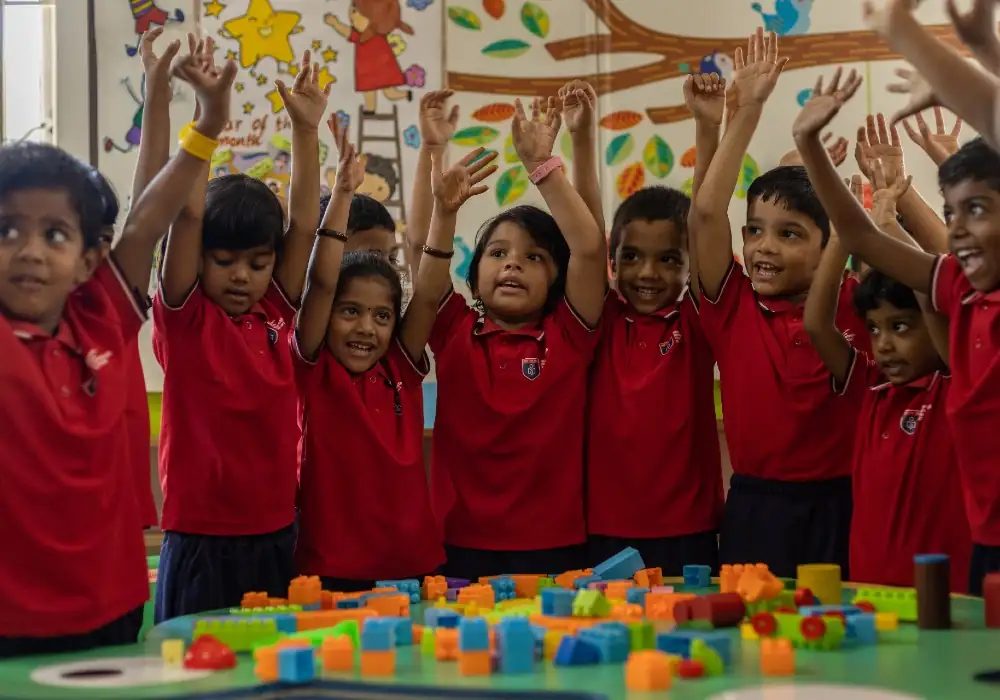
Classroom activities create space for exploration and discussion, while whole-school celebrations create a shared sense of joy and belonging. Students see their peers confidently sharing aspects of their heritage and, in turn, grow more comfortable learning about cultures different from their own — through traditional attire, decorations, performances and shared activities that become memories students carry long after.
Preparing Children for a Diverse World
Today’s children will study, work and collaborate with people from different cultural and social backgrounds. The ability to appreciate difference, communicate respectfully and find common ground is an essential life skill — and at QMIS, cultural celebrations offer children an early, meaningful way to build it. They learn to celebrate their own heritage while appreciating the heritage of others.
At QMIS, every festival opens a door to a new culture, every exchange builds a connection, and every celebration becomes a lesson in living together.
Want to see festival learning in action at QMIS? Visit our campus during one of our cultural celebrations.